
Google Expands Earth AI Access, Deploying 3-Model Geospatial Reasoning Agent After Oct 23 Rollout
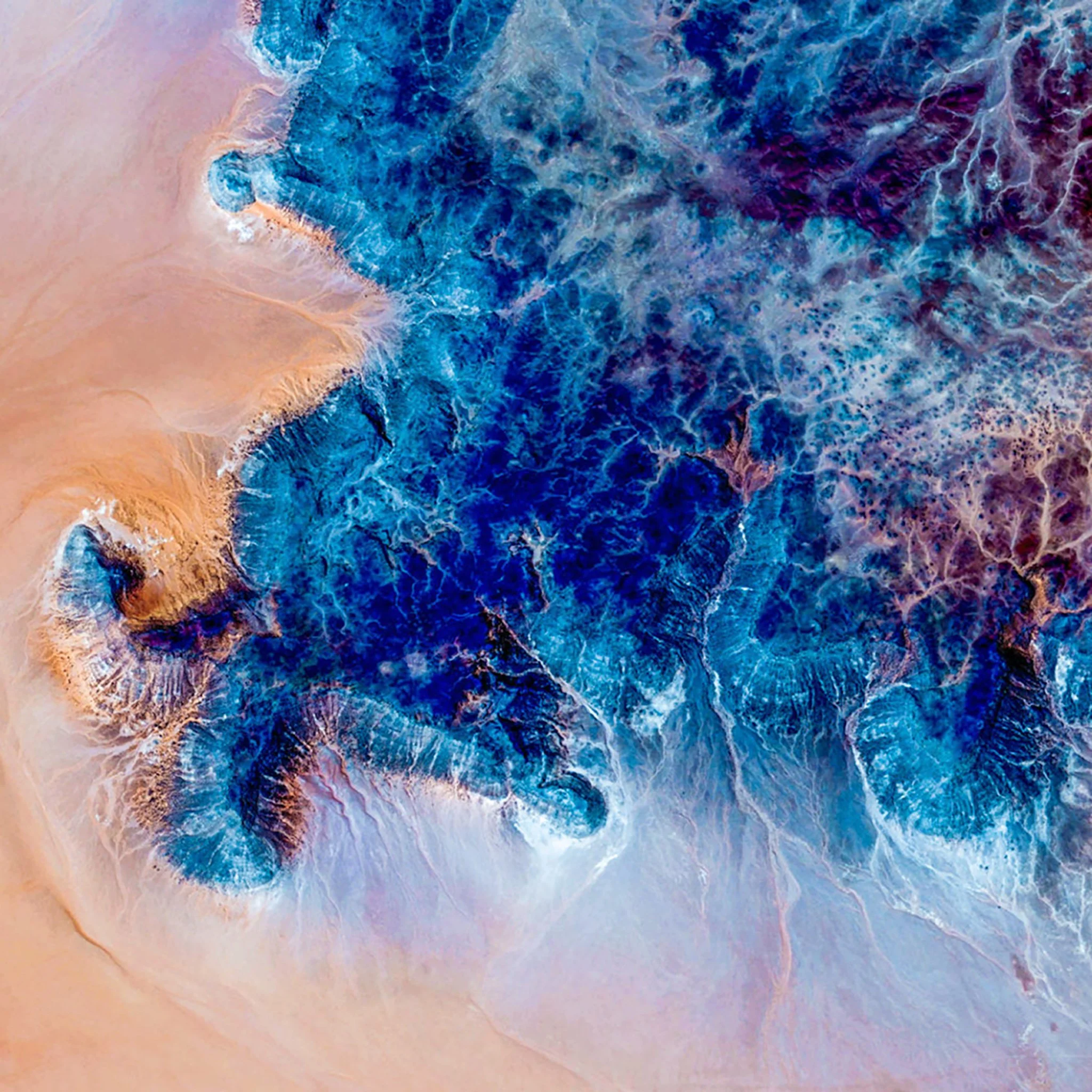
Image Source: Google Earth AI
Google has widened access to its Gemini-powered Geospatial Reasoning agent, an artificial intelligence system that answers complex Earth-science questions in plain English using satellite imagery, weather models and population patterns.
The update, announced on October 23, lets authorised users type queries into a chat panel on the Google Earth website and receive layered maps or written summaries within seconds.

















What The Agent Does
Users can ask questions such as “where are harmful algae blooms appearing in the Great Lakes right now” or “show me forest loss in Sumatra since 2020”. The agent splits the request into steps, calls three specialised foundation models for remote sensing, environmental conditions and population dynamics, then combines the outputs.
Google Research said the system uses cross-modal reasoning to orchestrate Google Earth Engine, BigQuery and Data Commons. All processing runs server-side on Google Cloud. The underlying models were trained on a large corpus of high-resolution overhead imagery and environmental datasets; specific sources were not listed.



























Who Can Use It Today
In the United States, the Gemini chat feature is live for Google AI Pro and AI Ultra subscribers. Google Earth Professional and Professional Advanced users in the U.S. will gain access in the coming weeks.
Outside the paid tiers, the feature remains limited to participants in the Trusted Tester programme and select enterprise customers who have applied through an interest form. The core Imagery, Population and Environment models are also available to Trusted Testers on Google Cloud, while Vertex AI Imagery models are offered to approved organisations.
Partners testing the system include satellite operators Planet and Airbus, the United Nations Global Pulse, the non-profit GiveDirectly and consulting firm Deloitte.
Google said it will expand availability further in the coming months, but no global public rollout date has been set.























Real-world Examples
Official demonstrations show the agent identifying algae outbreaks that threaten drinking-water intakes, mapping multi-year deforestation and combining storm-surge forecasts with population data to flag communities at risk during hurricanes. Public-health applications were noted in general terms.


















Privacy Measures
Population signals are processed in aggregated form to create privacy-preserving embeddings. Google said Gemini conversations in Google Earth are covered by reviewer privacy protections, with location data handled under standard account policies.

























Industry Backdrop
The rollout comes as governments and researchers seek faster ways to analyse Earth-observation data amid more frequent floods, fires and heatwaves. Rival platforms, including Microsoft’s Planetary Computer and the European Space Agency’s Destination Earth, are building similar multimodal AI systems.
Observers said Google’s natural-language interface is a clear usability advantage, though the tiered U.S. rollout limits immediate global comparisons.
Google has not disclosed energy-consumption figures for the agent.































 TheDayAfterAI News
We are a leading AI-focused digital news platform, combining AI-generated reporting with human editorial oversight. By aggregating and synthesizing the latest developments in AI — spanning innovation, technology, ethics, policy and business — we deliver timely, accurate and thought-provoking content.