
Adobe Adds Google’s Gemini 2.5 Flash Image to Photoshop, Expanding Generative Fill Options
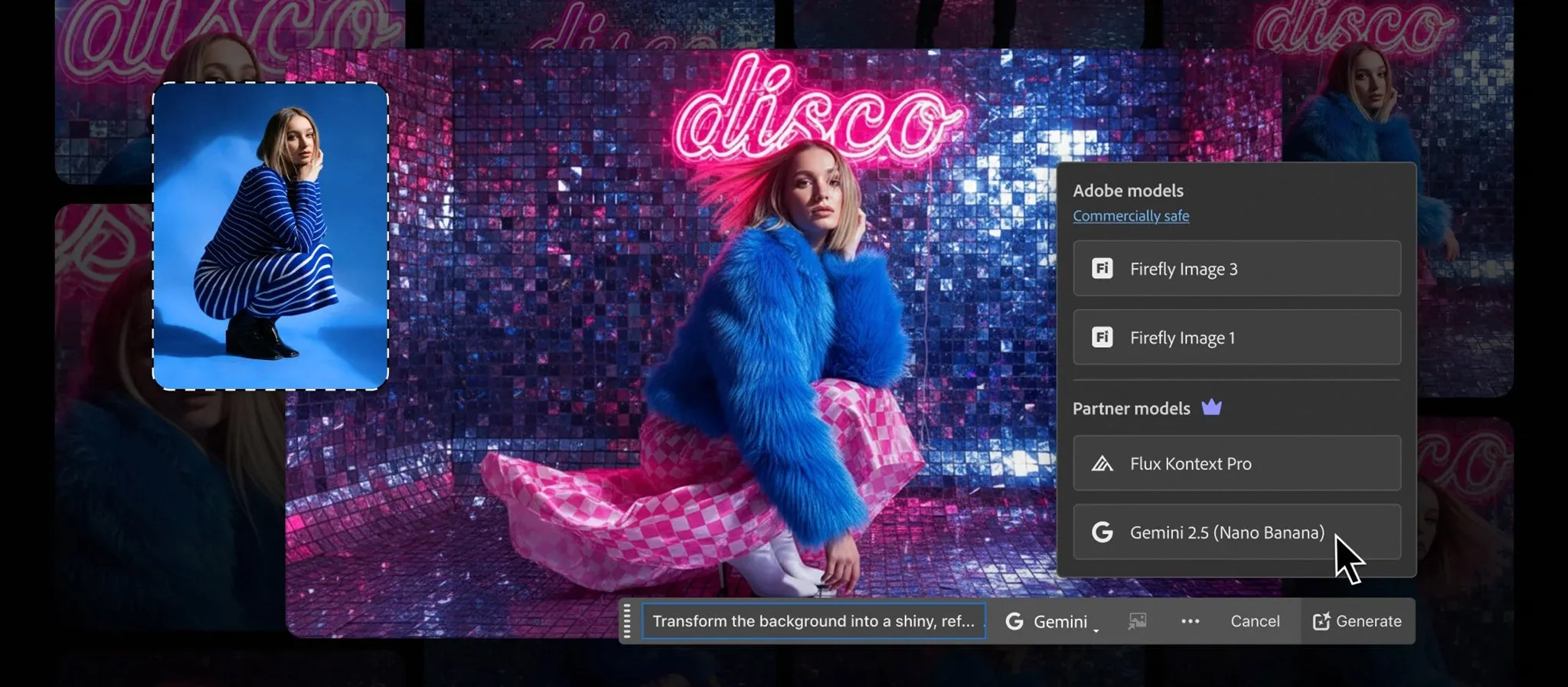
Image Source: Adobe
Adobe has added two third party AI models to its Photoshop software, expanding options for users in generative image tasks. Google's Gemini 2.5 Flash Image, known as Nano Banana, and Black Forest Labs' FLUX.1 Kontext pro represent the initial rollout of non Adobe systems in the core Generative Fill tool, enabling varied stylistic results from prompts. The beta version emerged on 25 September 2025, with full availability launching at Adobe MAX on 28 October, positioning AI as a pivotal force in creative workflows.
















Nano Banana's Role in Precision Edits
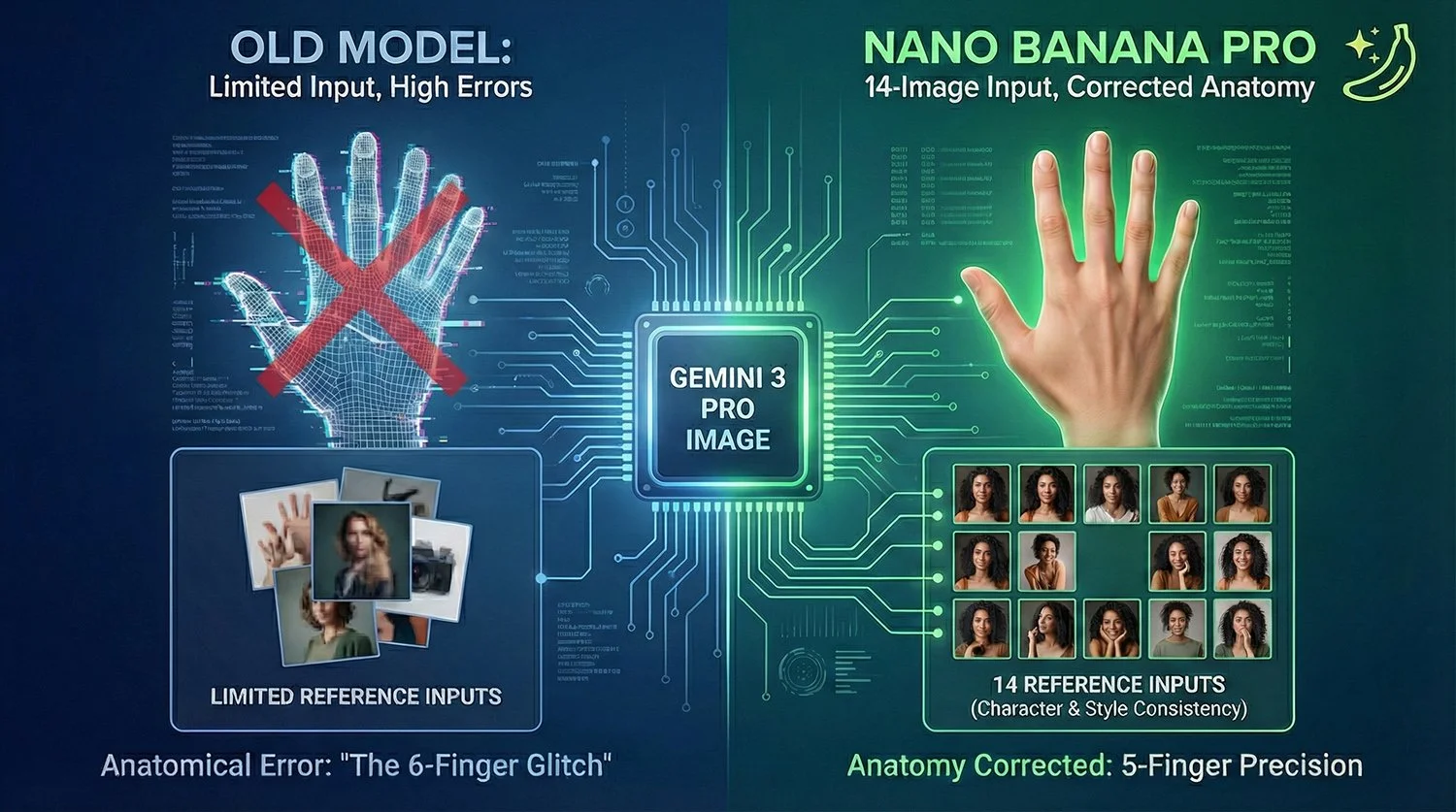
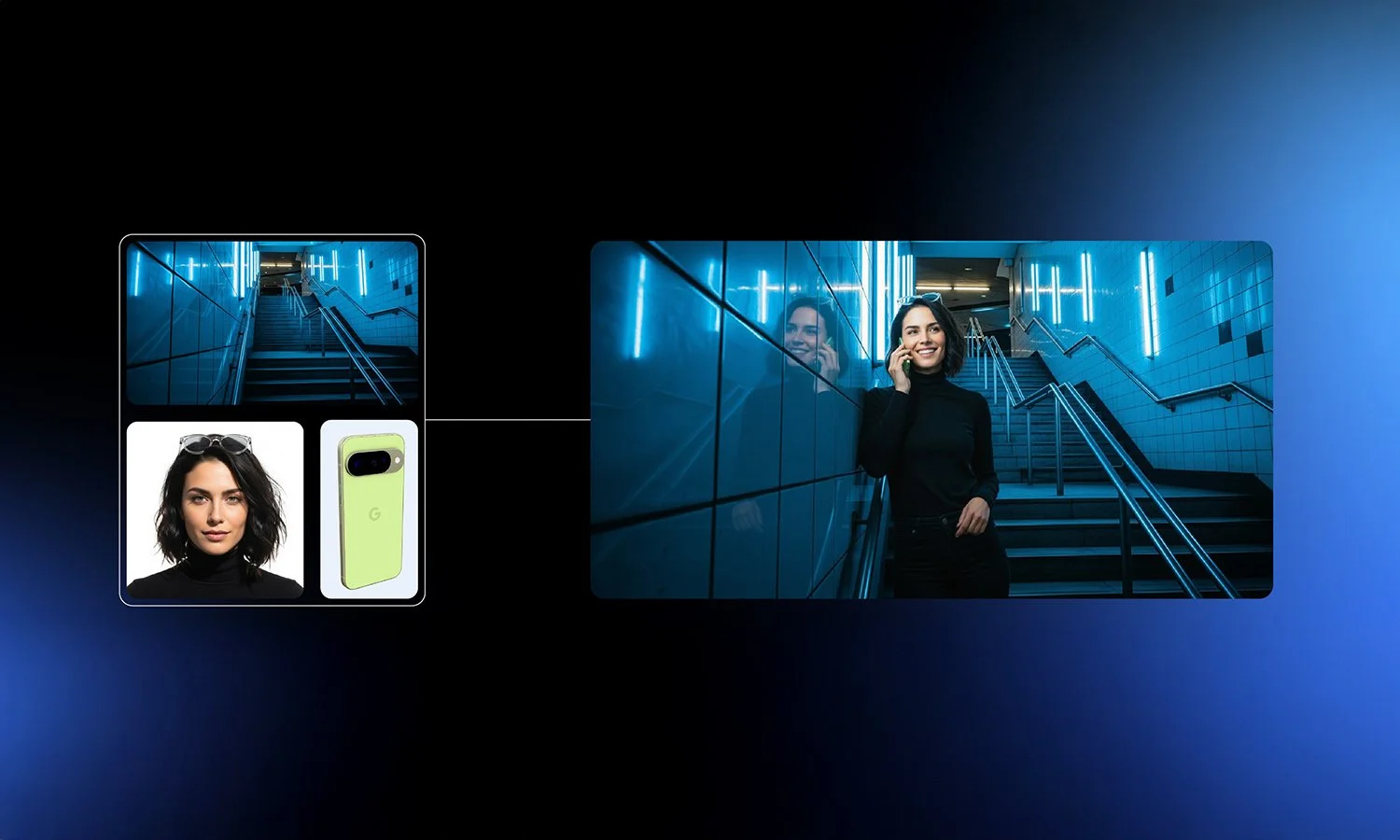
Google introduced Nano Banana on 26 August 2025 as a swift multimodal model for image generation and modification, excelling in text and visual prompt integration. Within Photoshop, it facilitates operations like object swaps, background alterations or pose adjustments, striving to uphold elements such as lighting and textures for cohesive outcomes. Users input descriptions to guide in painting on selected regions, yielding results suited to fashion or product imagery.
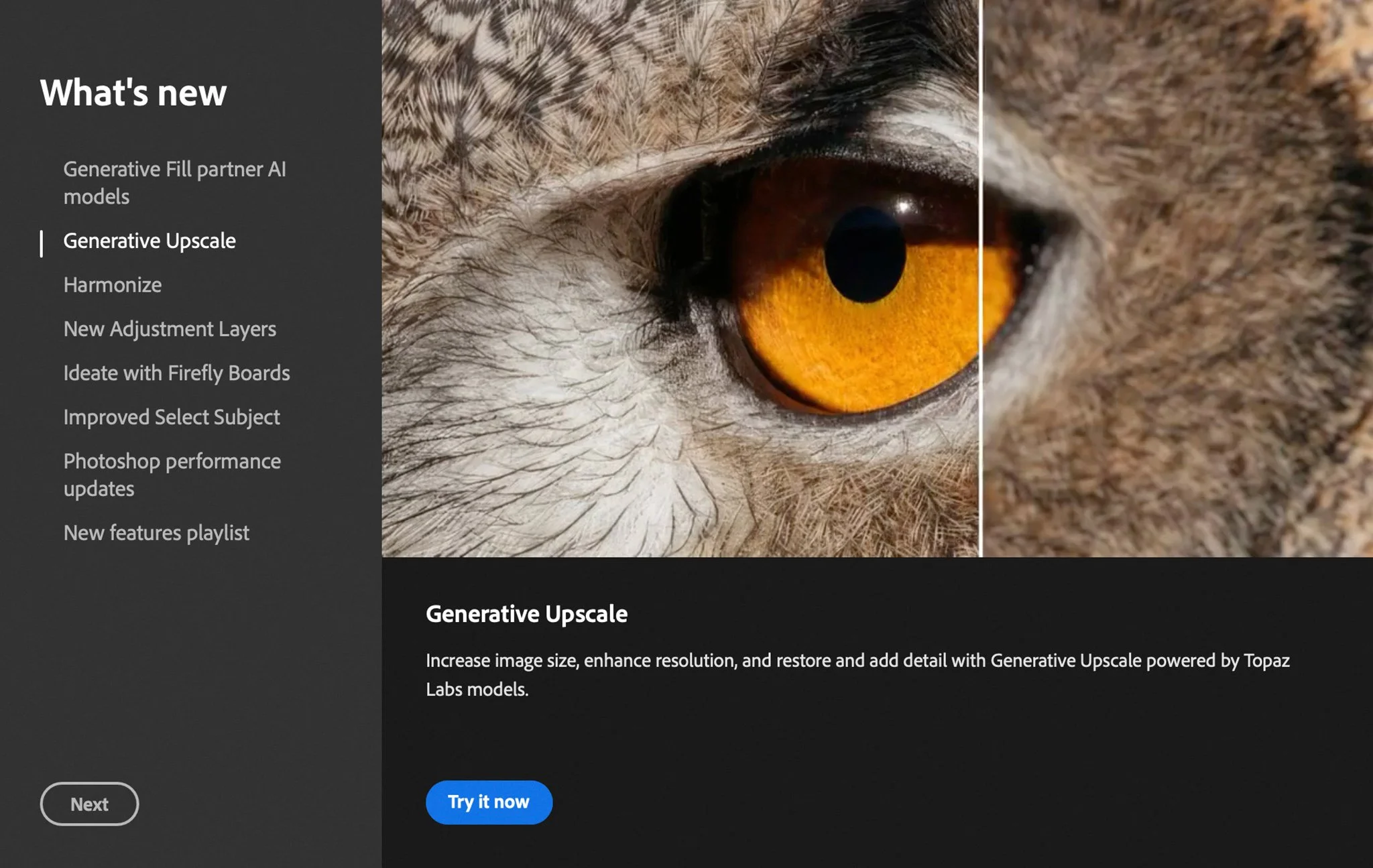
Complementing this, FLUX.1 Kontext pro prioritises detailed realism in intricate scenes. Both rely on Adobe's cloud processing to maintain speed without burdening user devices. However, Nano Banana's outputs typically cap at around 1024x1024 pixels, often appearing at lower resolutions like 1080p, necessitating separate upscaling tools for higher fidelity work. Initial user reports praise its prompt accuracy, easing transitions from traditional manual techniques.
















Timeline and User Access Mechanics
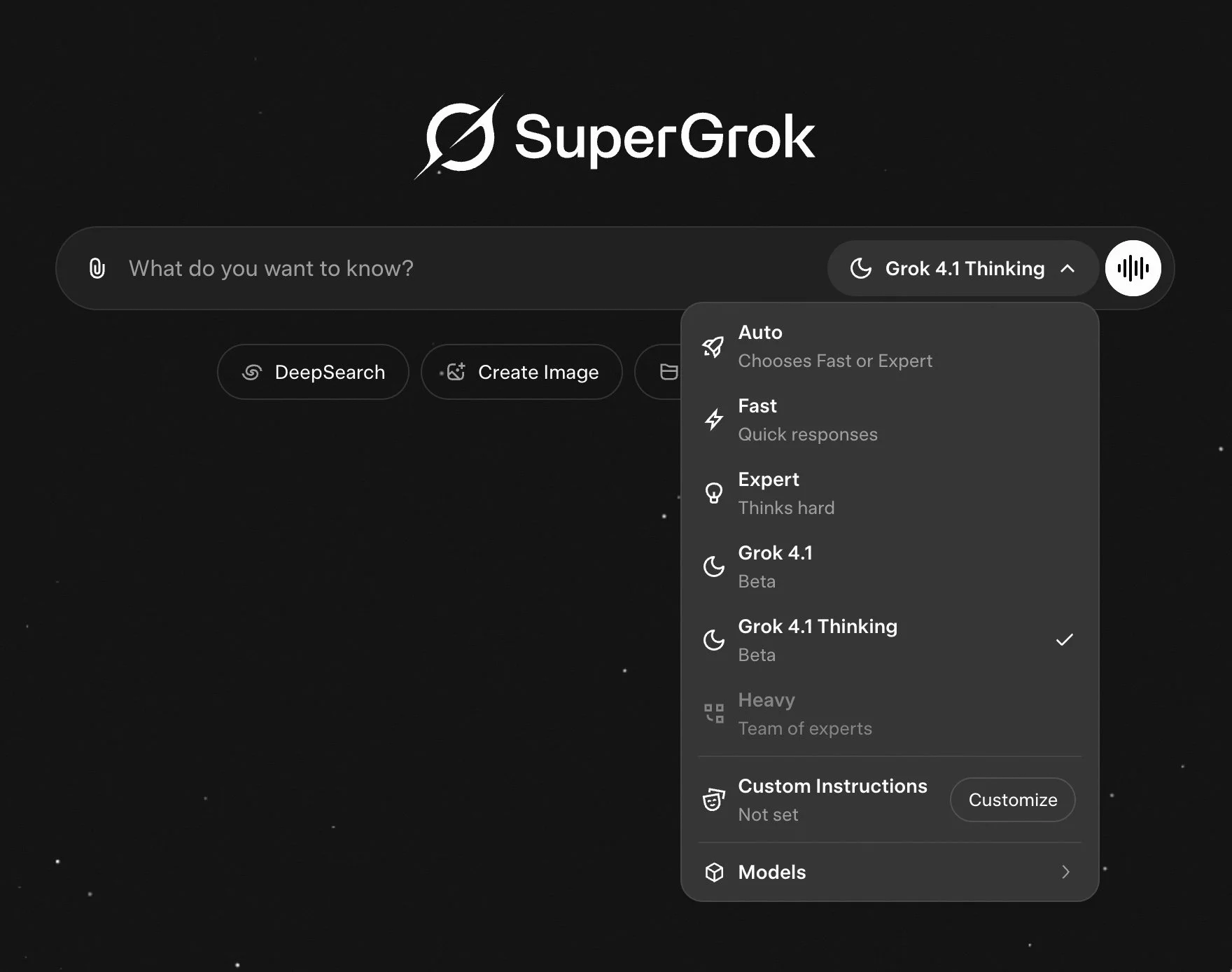
The integration debuted in beta via Adobe's blog post, offering early access to the model selector in Generative Fill's interface. Full deployment arrived with Photoshop version 27.0 during the MAX conference in Los Angeles from 28 to 30 October, compatible with Windows and macOS. Switching between Firefly, Nano Banana or FLUX occurs through an in app menu, eliminating the need for additional installations.
Tied to Creative Cloud plans, partner models consume generative credits: 10 per use for outputs up to 25 megapixels, escalating to 20 for 25 to 56 megapixels. A temporary promotion provides unlimited generations for subscribers to plans like Creative Cloud Pro or Firefly Standard from 28 October to 1 December 2025, following a beta phase with no charges. This structure balances resource allocation with accessibility for professionals navigating AI driven demands.

















Collaboration Context: Building on Recent Alliances
The Photoshop addition extends an August 2025 integration of Nano Banana into Adobe's Firefly web app and Express for simpler tasks. At MAX, Adobe highlighted this as part of a broader strategy to incorporate external AIs into tools like Illustrator, addressing competition from open source alternatives. Google benefits by testing its model in professional settings, drawing on Adobe's extensive user network to hone applications.
This move reflects a push for AI versatility, countering critiques of Firefly's consistency by introducing Nano Banana's adaptive style and FLUX's precision. Observers see it as a tactic to consolidate tools, preventing user drift to standalone platforms amid rapid AI advancements.























Efficiency Gains and Workforce Considerations
Designers and photographers note accelerated processes for everyday adjustments, with AI managing preliminary setups that once took substantial time, as per 2025 industry overviews on tech integration. Examples include rapid prototyping of clothing changes for online retail, bolstering productivity without eroding core artistic input.
Yet, automation of foundational work raises adaptation needs; surveys indicate 40 per cent of employers anticipate staff reductions in AI amenable areas, prompting calls for upskilling in creative sectors. On privacy, Adobe maintains a policy against using customer content for AI training, supported by robust security measures, though ethicists advocate for clearer data handling as cloud dependency rises.


















AI's Evolving Place in Creation
Adobe's plans suggest ongoing enhancements, including assistants for routine automation in Photoshop. External analyses predict modular AI frameworks will grow prevalent, allowing tailored model combinations for custom outputs.
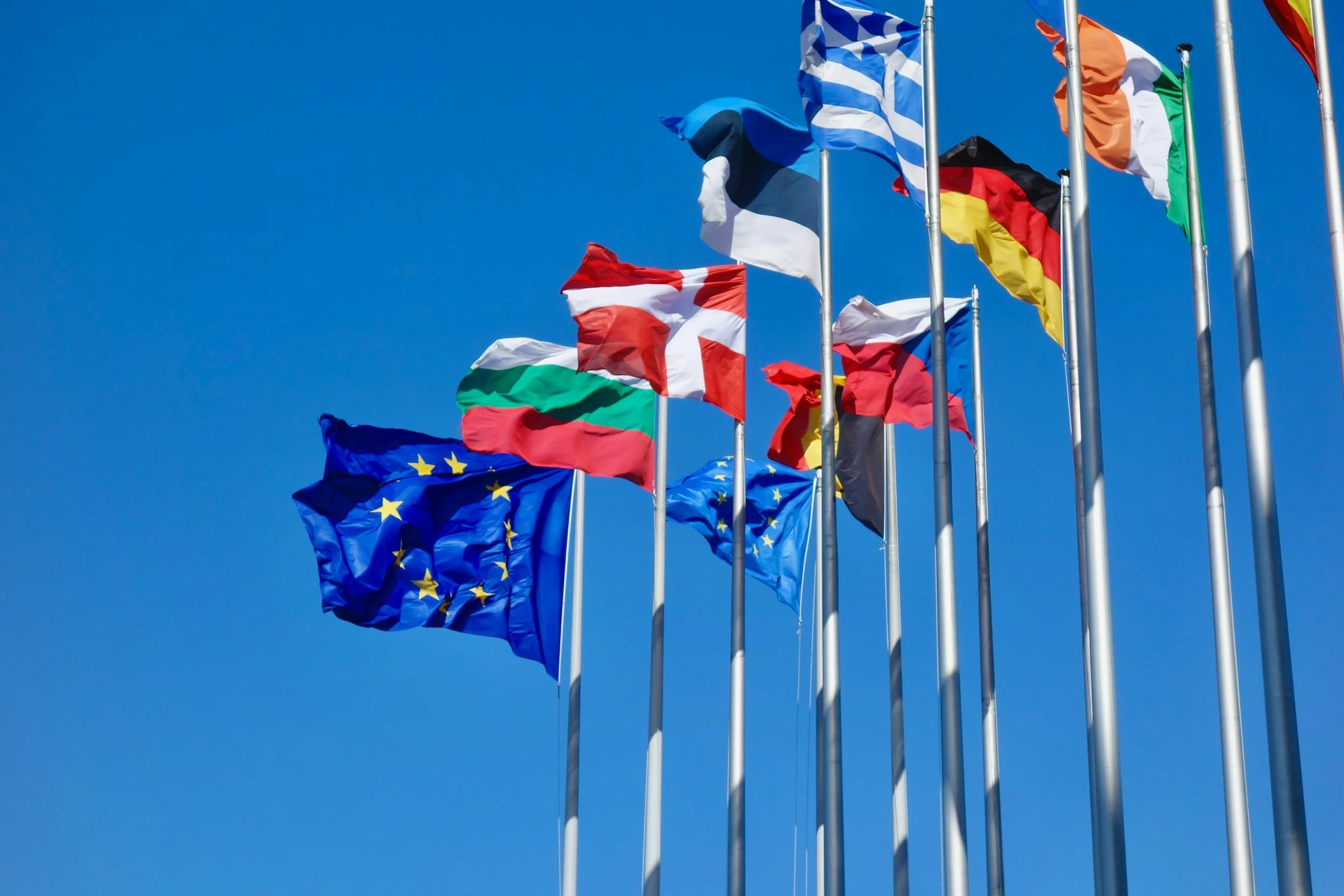
Regulatory developments, such as the EU AI Act's call for disclosing generated content — with watermarking as a suggested method — may drive standardised practices to foster accountability. Viewed objectively, these steps illustrate AI's shift to essential utility, aiding narratives while requiring balanced oversight to preserve confidence. A post MAX comment from a designer captured it: the focus rests on the stories shaped, not merely the tech.






















 TheDayAfterAI News
We are a leading AI-focused digital news platform, combining AI-generated reporting with human editorial oversight. By aggregating and synthesizing the latest developments in AI — spanning innovation, technology, ethics, policy and business — we deliver timely, accurate and thought-provoking content.