
Microsoft Cuts Copilot Price to US$21 as Users Top 150 Million

AI-generated Image (Credit: Jacky Lee)
Microsoft Corp is pushing its Copilot AI assistant deeper into day-to-day corporate work, rolling out a cheaper small-business tier and new governance tools for AI agents. But many IT leaders remain cautious, citing integration complexity, data-governance worries and unclear returns on investment even as the software maker broadens its AI model line-up and marketing push.
At its Ignite 2025 conference in San Francisco in November, Microsoft introduced Microsoft 365 Copilot Business, a new plan priced at US$21 per user per month for organisations with up to 300 employees. The offer mirrors the functionality of the standard Microsoft 365 Copilot subscription, which remains at US$30 per user per month, but targets small and mid-sized businesses that found the original pricing a stretch.
The company is also running time-limited promotions that bring the effective entry price down further when Copilot is bundled with Microsoft 365 Business Premium and related licences via partners, though these discounts vary by programme rather than following a blanket “50% off” policy.
On Microsoft’s October 2025 earnings call, CEO Satya Nadella said more than 150 million people use some form of Copilot each month, and that over 90% of Fortune 500 companies were now Copilot customers, without specifying how many seats those deployments represent or how widely Copilot is rolled out inside each firm.
Despite those headline numbers, conversations with CIOs, analysts and consultants around Ignite suggest that much of this activity remains at the pilot or departmental level, especially in heavily regulated industries.
























Adoption Slows on Integration and Governance
Copilot has evolved quickly since Microsoft’s 2023 AI pivot built around OpenAI’s GPT models. What started as AI-enhanced search has turned into a broad portfolio spanning Microsoft 365, GitHub, Dynamics 365, security tools and developer services. In theory, embedding Copilot into familiar apps like Word, Excel, Outlook and Teams should make adoption straightforward.
In practice, many IT leaders say integration and governance are the real bottlenecks.
Recent reporting based on CIO interviews describes a mixed picture: companies such as Land O’Lakes and Pearson have rolled out Microsoft 365 Copilot to thousands of employees, but technology leaders quoted in those pieces say it is still too early to point to clear, quantified ROI, and that measuring productivity gains against licence and infrastructure costs remains challenging.
Analyst commentary after Ignite has highlighted several recurring concerns:
Data readiness and access control. Copilot’s usefulness depends on well-labelled, properly permissioned data in SharePoint, OneDrive, Teams and line-of-business systems. Organisations with fragmented document repositories or inconsistent access policies risk either under-powered assistants or over-exposed information.
Unpredictable consumption. While Copilot licences are per user per month, some AI scenarios also rely on Azure OpenAI or Azure AI Services under the hood. Analysts warn that poorly governed custom agents and workflows can generate variable Azure usage that is difficult to forecast, complicating total cost of ownership calculations.
Compliance and auditability. In finance, healthcare and the public sector, CIOs must show not only what an AI agent did, but why. Existing logging and eDiscovery tools help, but many customers are still designing their own policies around what kinds of tasks AI agents are allowed to automate.
To address some of those issues, Microsoft used Ignite to unveil Agent 365, a control plane for AI agents that gives administrators a single console to discover, authorise, quarantine and monitor agents, whether built with Microsoft’s own frameworks or integrated via third-party platforms. The tool is launching in an early-access programme and is positioned as the agent equivalent of traditional network-management dashboards.
The company also introduced Work IQ, described as an intelligence layer that helps Copilot understand how employees work by drawing contextual signals from emails, documents, meetings and other activity across Microsoft 365. Work IQ is designed to improve the relevance of suggestions and to connect agents more directly to business data, but it also raises the bar for data-hygiene and lifecycle policies inside organisations.
For many CIOs, Copilot’s promise sits alongside a long list of prerequisites: data-classification projects, access-governance clean-ups, new training programmes and updates to risk and compliance frameworks. Until that groundwork is complete, broad, organisation-wide deployment often remains on hold.





















Claude Joins Azure to Loosen OpenAI’s Grip
Alongside product updates, Microsoft is recalibrating its AI model strategy. For most of Copilot’s life, the company leaned heavily on OpenAI’s GPT-4- and GPT-5-class models via Azure OpenAI Service. In 2024 and 2025, OpenAI’s own products, including ChatGPT with GPT-5, became increasingly prominent in the wider market, and OpenAI also announced a multi-year cloud deal with Amazon Web Services. Microsoft’s answer has been to embrace a more multi-model posture while keeping OpenAI at the heart of its stack.
In November 2025, Microsoft, Nvidia and Anthropic announced a three-way partnership under which Anthropic committed to purchase US$30 billion of Azure compute over time and up to one gigawatt of additional capacity, with Microsoft and Nvidia investing billions to support Claude’s training and deployment on Azure.
Anthropic’s Claude 4.5 family arrived in stages:
Claude Sonnet 4.5 launched on 29 September 2025, targeting mainstream coding, analysis and general-purpose reasoning.
Claude Haiku 4.5 followed on 15 October 2025, focusing on low-latency, cost-sensitive workloads.
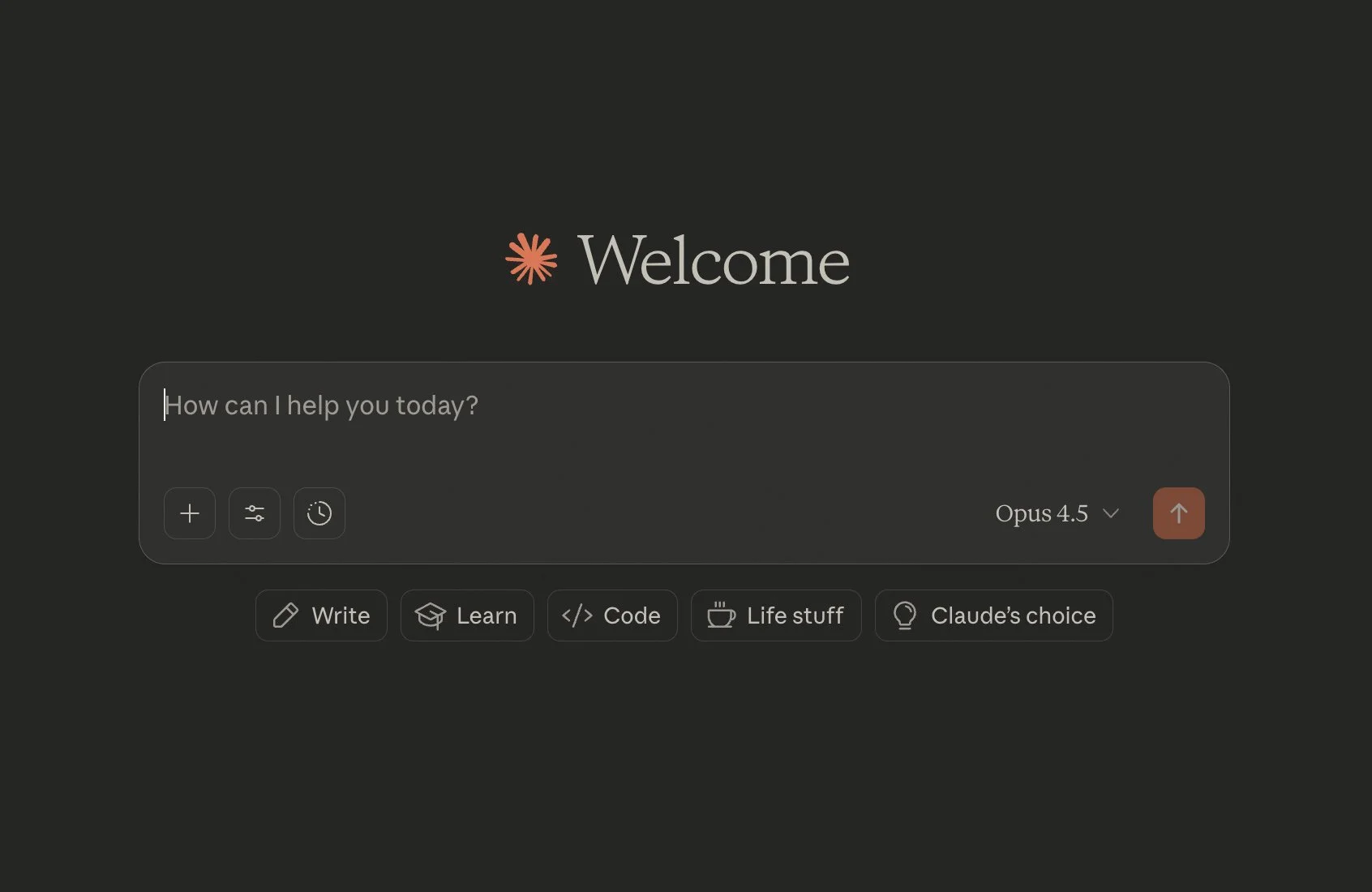
Claude Opus 4.5 was released later, on 24 November 2025, a few days after Ignite, positioned as Anthropic’s high-end model for complex reasoning and long-context tasks.
Independent benchmarks such as SWE-bench Verified report Opus 4.5 outperforming earlier Claude generations and many rival models on demanding code-understanding tasks, with Sonnet 4.5 also scoring strongly among mid-tier models.
Under the new Azure agreement, Claude Sonnet 4.5 and Haiku 4.5 were made available through Azure AI Foundry around the time of Ignite, alongside Opus 4.1. Following Opus 4.5’s release, Microsoft has begun exposing that model as well in Azure AI Foundry and in selected GitHub Copilot workflows. Together, these options allow Azure customers to combine Claude 4.5 models with OpenAI’s GPT-5 family in the same environment, selecting models based on task, cost and governance needs.
Anthropic’s public API pricing indicates that Claude models are typically billed per million tokens, with mid-tier Sonnet priced in the lower single-digit US-dollar range and Opus at a higher rate, reflecting its premium positioning. By contrast, OpenAI, Google and Chinese providers such as DeepSeek have all cut inference prices over the past two years, contributing to a broader trend of falling per-token costs even as model capability increases.
For enterprise buyers, the practical effect is greater choice rather than a clean replacement. The ability to mix GPT and Claude in one stack is attractive for some workloads, but it also adds another layer of decision-making for teams already struggling to measure Copilot’s ROI.
















Copilot’s Position in a Crowded Assistant Market
Copilot’s evolution is unfolding in a highly competitive assistant landscape that spans both consumer chatbots and enterprise-focused tools.
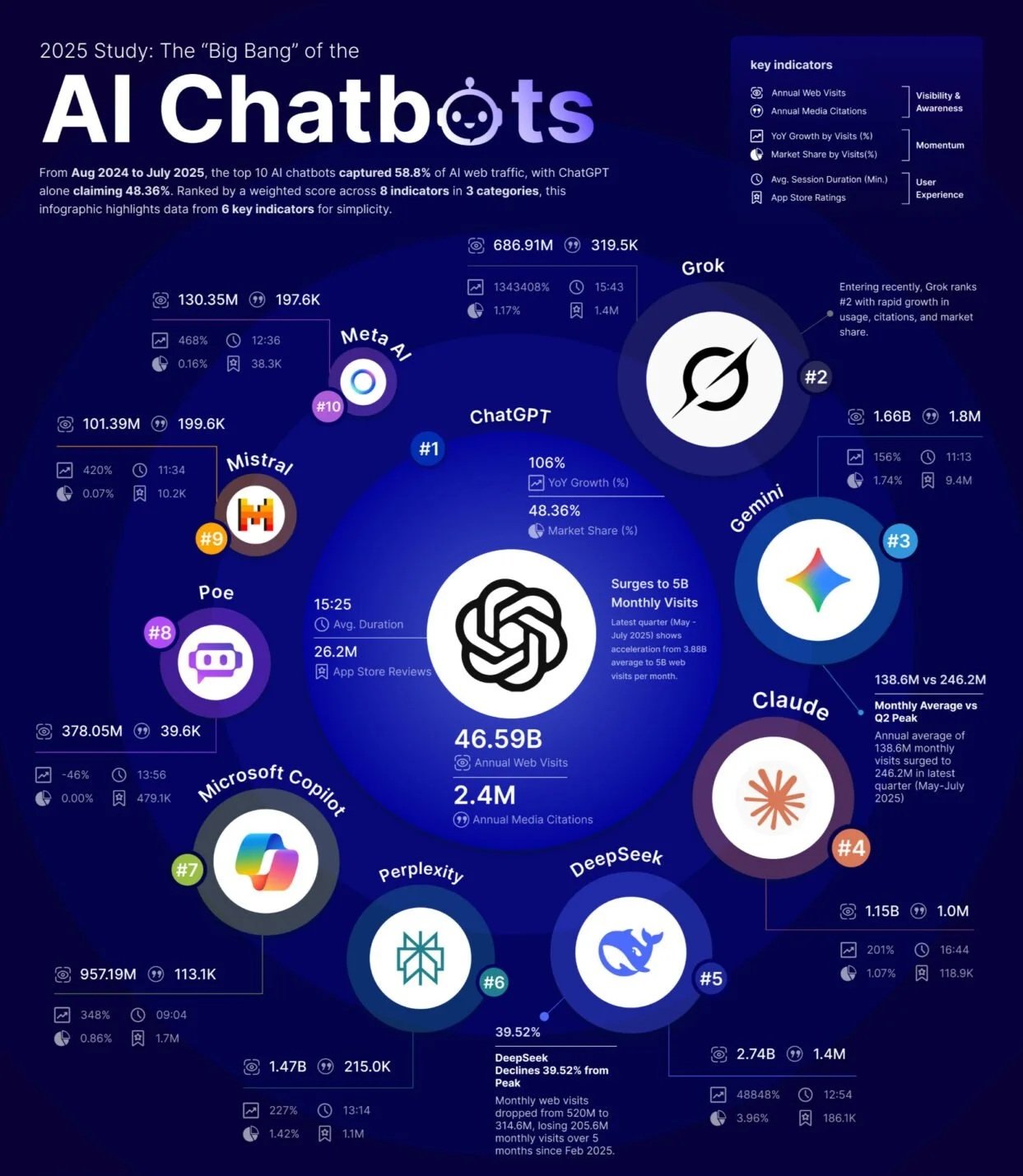
Traffic-based estimates compiled from mid-2025 web-usage data show:
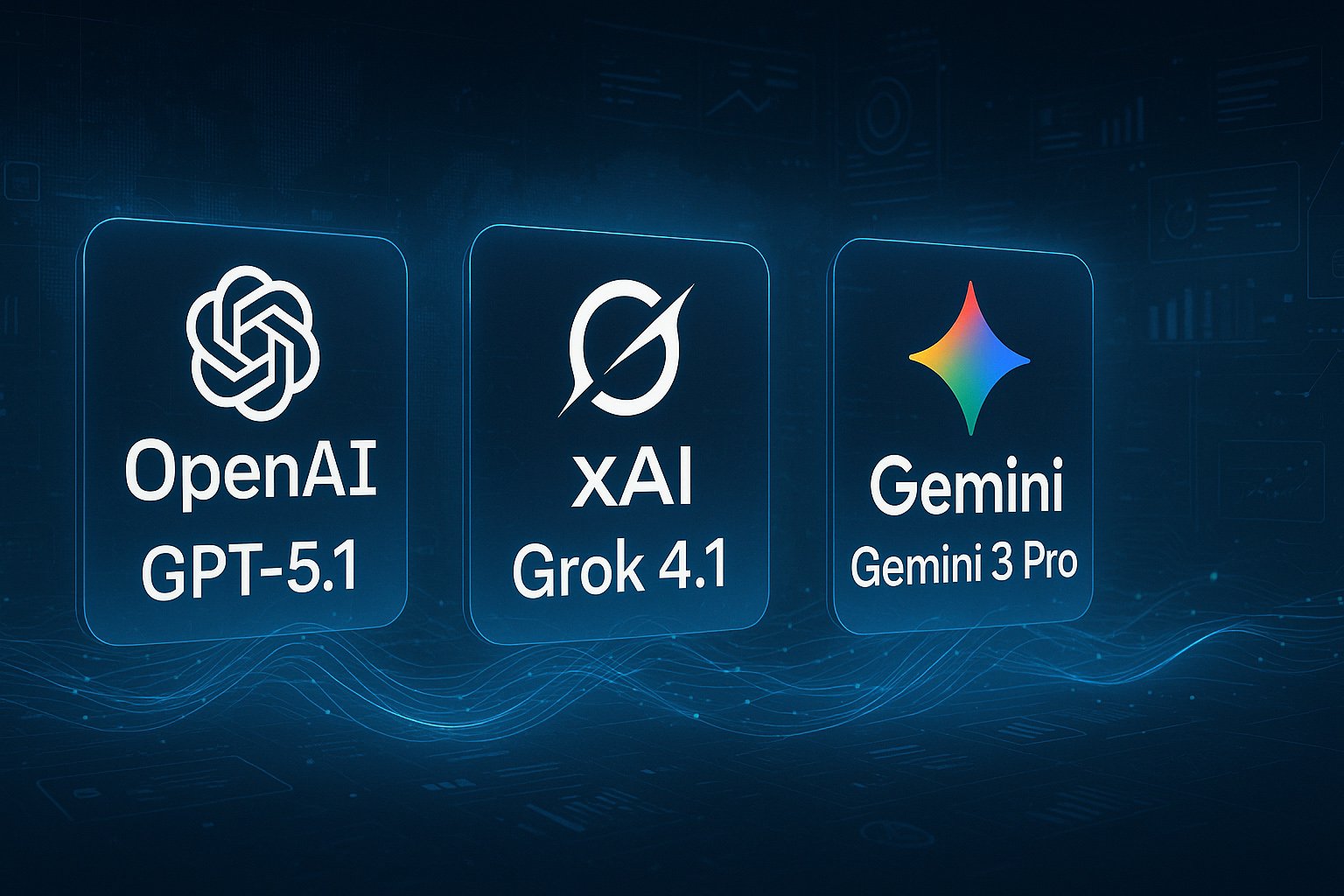
ChatGPT (OpenAI) with more than 80% global share of AI-chatbot web visits
Perplexity with high-single-digit share
Microsoft Copilot in the mid-single digits
Google Gemini, DeepSeek and Claude making up smaller but growing portions of the market
These figures cover public web traffic to chatbot front-ends rather than behind-the-firewall deployments, but they highlight Copilot’s position: far smaller than ChatGPT in overall usage, yet significant relative to other big-tech entrants.
On the product side:
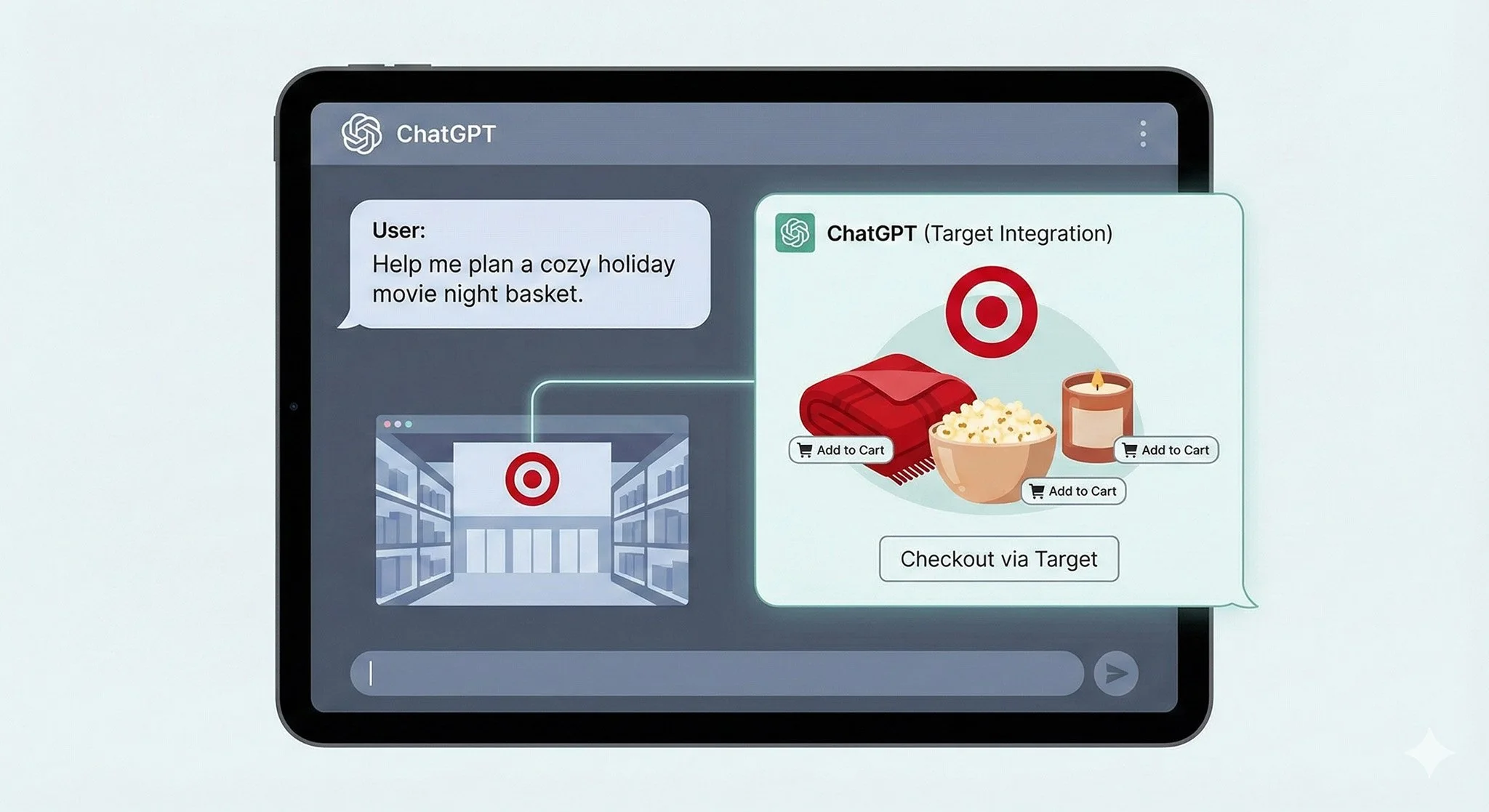
ChatGPT has moved beyond a single model to an app-style ecosystem built around GPT-5 and related models, with a US$20-per-month subscription for individual “Plus” users in most markets and separate enterprise offerings. It remains dominant in consumer usage and in early-stage experimentation inside companies, but lacks the deep Microsoft 365 integration that underpins Copilot’s pitch.
Google Gemini is embedded in Android, Chrome and Workspace. Google has introduced an Agent-to-Agent (A2A) protocol to let agents from different providers collaborate across systems, contributing the protocol to the Linux Foundation and integrating it into offerings such as Gemini for Workspace and enterprise agent platforms.
Anthropic’s Claude has built a reputation for conservative safety defaults and strong performance on reasoning and coding benchmarks, now accessible not only via Anthropic’s own console but also through Azure and other cloud platforms.
Perplexity emphasises cited answers and search-style experiences, and has become one of the most visited AI chatbot websites despite being a much smaller company than its big-tech rivals.
For Copilot, the differentiator remains distribution and integration: it is the only assistant deeply woven into Microsoft 365, GitHub, Dynamics 365 and a wide array of security and management tools. But that same tight coupling means that Copilot’s perceived value is inseparable from broader Microsoft 365 and Azure strategy decisions, including licensing, compliance and cloud-spend optimisation.



























Agents as the New Normal, But Governance Will Decide the Pace
Ignite 2025 confirmed Microsoft’s message that AI agents, not just chat-style assistants, are its long-term focus. Microsoft’s 2025 Work Trend Index describes “frontier firms” where human employees manage fleets of AI agents that perform multi-step work, from preparing sales briefings to orchestrating complex workflows.
Key building blocks in that vision now include:
Agent 365, providing oversight and management for autonomous and semi-autonomous agents across an organisation
Work IQ, adding contextual awareness based on actual work patterns
Azure AI Foundry, standardising how customers build, evaluate and deploy agents using GPT-5, Claude 4.5 and other models
Microsoft and external analysts forecast very large numbers of AI agents running in enterprise environments by the second half of the decade. Microsoft itself has cited a figure in the billions for AI agents expected to be operating across industries by 2028—not all of them on its own platforms.
In markets such as Australia, where cloud adoption is high but organisations operate under strict privacy and breach-notification rules such as the Notifiable Data Breaches scheme under the Privacy Act 1988, CIOs are weighing Copilot and agent deployments against obligations to notify regulators and affected individuals when personal data is compromised. This regulatory backdrop makes traceability, role-based access control and regional data-residency options central to any Copilot or agentic-AI rollout.

































 TheDayAfterAI News
We are a leading AI-focused digital news platform, combining AI-generated reporting with human editorial oversight. By aggregating and synthesizing the latest developments in AI — spanning innovation, technology, ethics, policy and business — we deliver timely, accurate and thought-provoking content.