
AI SDKs in 2025: How Software Development Kits Are Shaping the Next Wave of Intelligent Systems

Image Credit: Ilya Pavlov | Splash
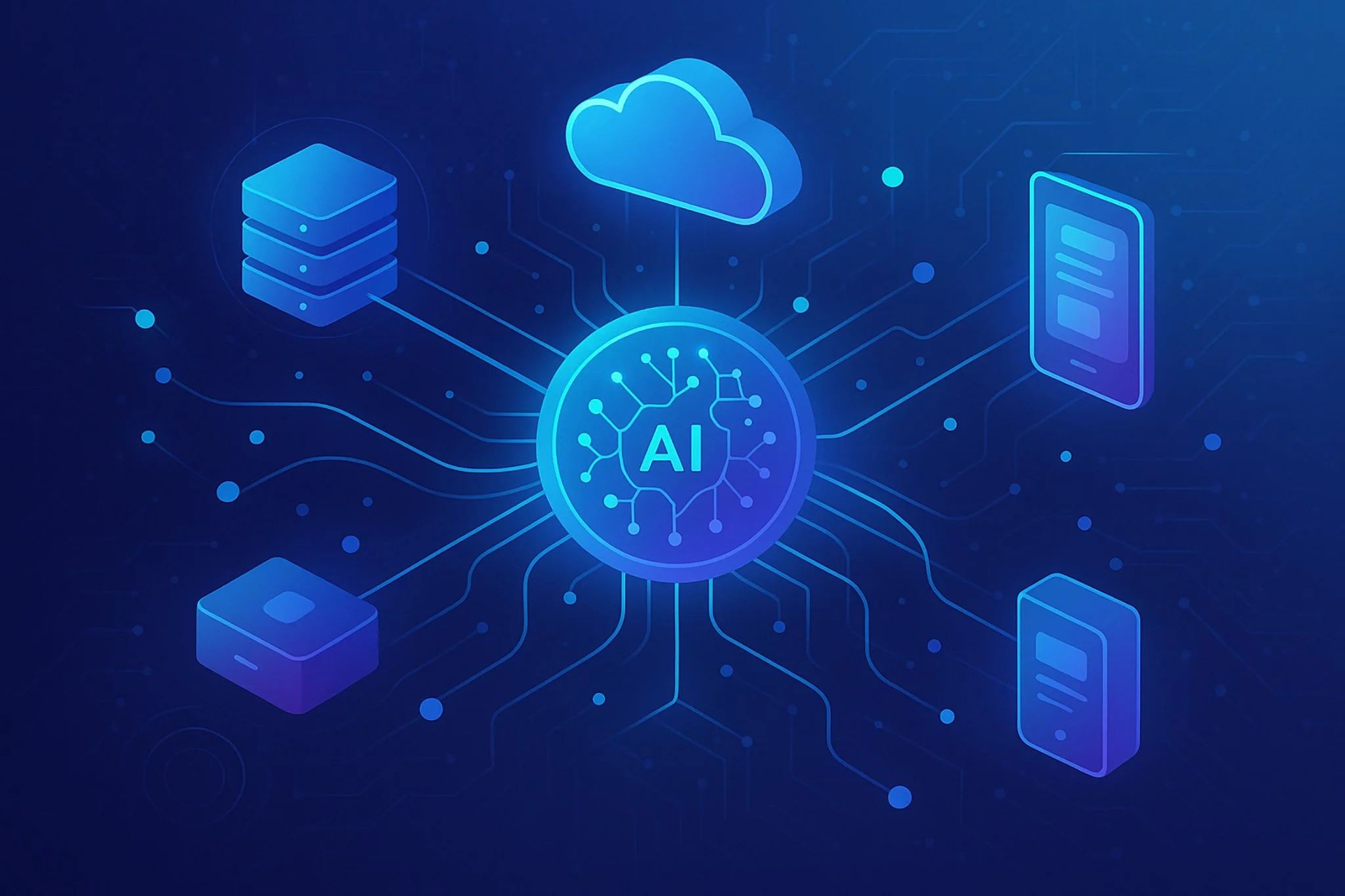
Software development kits, or SDKs, stand as crucial enablers for developers crafting advanced artificial intelligence systems, bundling essential libraries, tools and guides to simplify integration across diverse platforms. As AI embeds itself further into sectors from consumer apps to enterprise workflows, these kits shift focus from raw coding to efficient deployment, helping bridge the gap between experimental models and scalable applications. In a landscape where AI demands seamless handling of massive datasets and real time processing, SDKs empower coders to innovate faster, underscoring their pivotal role in the technology's ongoing maturation.

















Defining the Core: What Makes an SDK Tick
An SDK comprises a curated set of software tools, including compilers, debuggers and sample code, crafted by vendors to support application building within targeted environments like cloud services or hardware accelerators. Distinct from APIs, which offer targeted function access, SDKs deliver comprehensive frameworks that span the development cycle, from prototyping to testing.
Within AI, this translates to ready made modules for core operations such as inference or optimisation. Qualcomm's Cloud AI SDK, for example, streamlines high throughput inference on its cloud accelerators, incorporating ONNX Runtime integration and workflow tools for efficient model deployment. Complementing this, Qualcomm's open source AIMET toolkit handles model compression through techniques like quantisation and pruning, maintaining near full precision accuracy for edge applications including those in autonomous vehicles. Such offerings arose from the escalating demands of software ecosystems, where fragmented efforts historically slowed progress and raised integration hurdles.
















Roots in Computing: A Brief Historical Lens
SDKs first gained prominence in the 1970s and 1980s amid the rise of personal computers, as firms like Apple and Microsoft bundled resources to cultivate third party ecosystems and broaden platform appeal. Initial versions featured basic assemblers and emulators for hardware level programming on early microcomputers. The 1990s marked a leap with object oriented paradigms, influenced by systems like NeXTSTEP, introducing graphical tools and modular libraries that foreshadowed today's app stores.
This evolution reflected strategic business needs: by arming developers with standardised assets, vendors offloaded feature creation while spurring adoption. In Australia, tech leaders in hubs such as Sydney have echoed this approach, leveraging SDKs to enhance local contributions to global web and mobile standards.

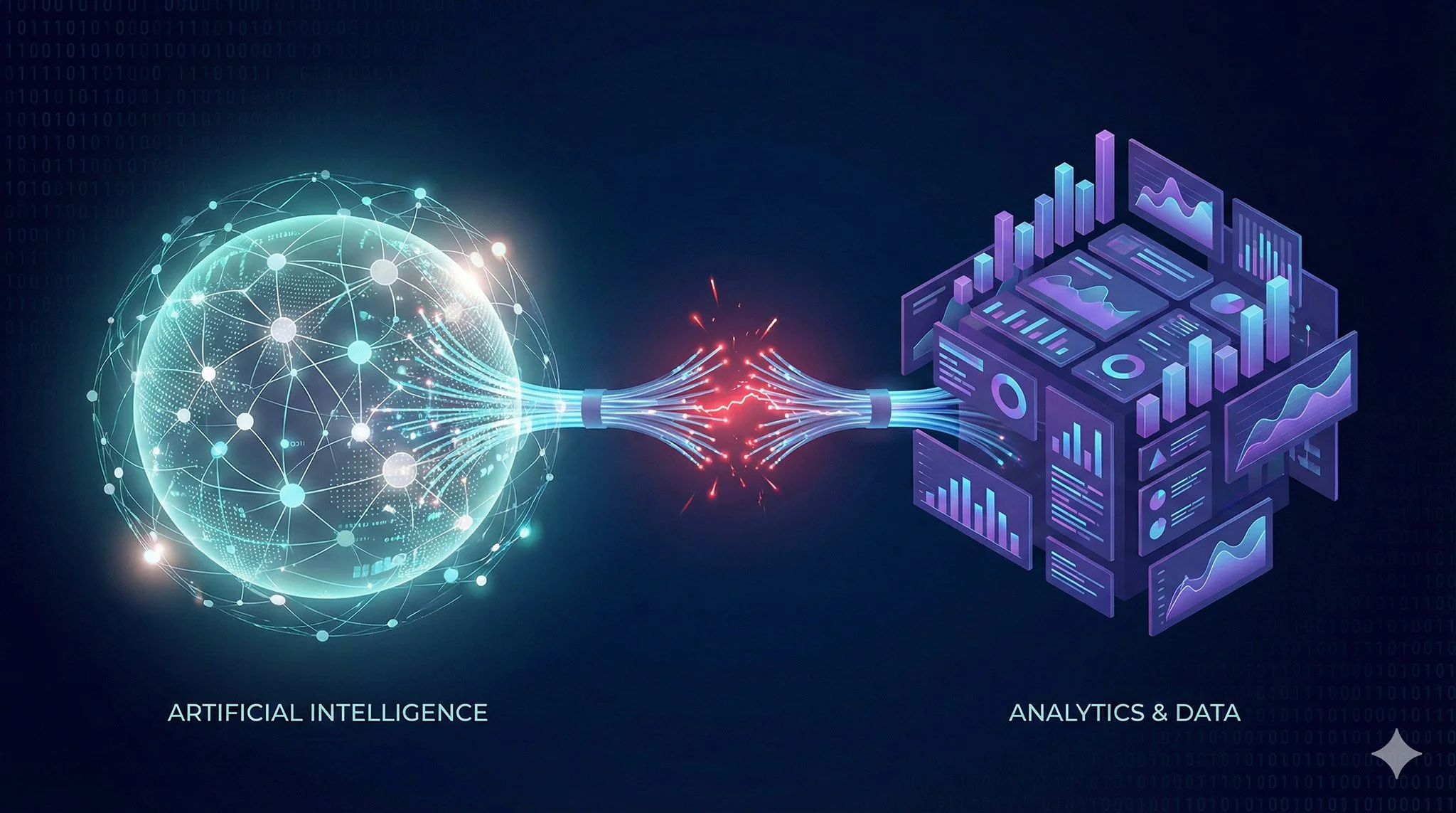






















AI's Game-Changer: How SDKs Fuel Machine Learning Advances
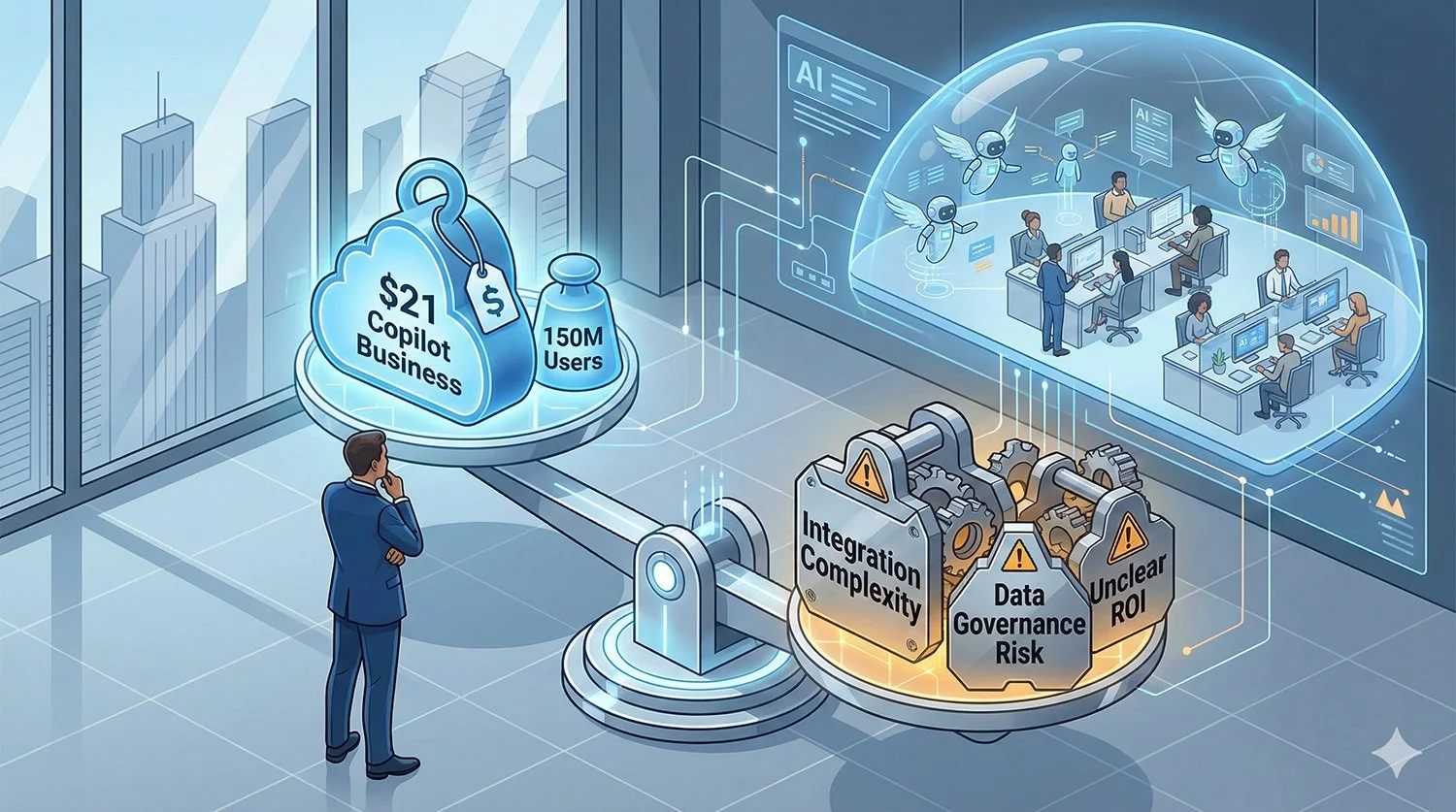
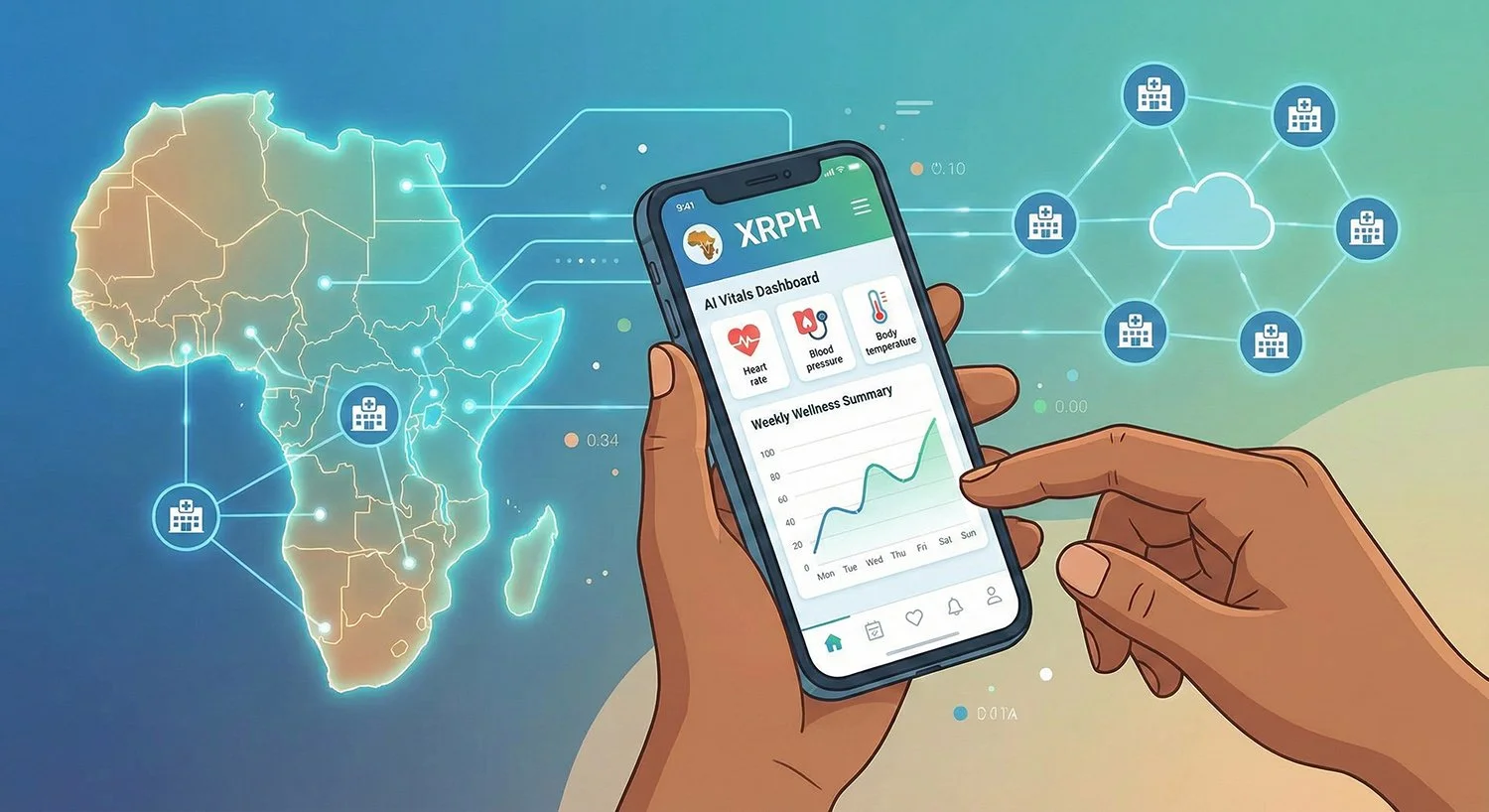
SDKs have evolved into specialised drivers for AI workflows, tackling silos that complicate model transitions from lab to live use. Microsoft's Azure AI Foundry SDK unifies model chaining with data pipelines and vector stores, facilitating builds like recommendation systems that blend large language models with real time analytics. This counters common pain points, such as the weekly hours many teams lose shuttling data across disjointed AI platforms.
Silicon Labs announced its Simplicity AI SDK in October 2025, enhancing embedded development for Internet of Things with AI assisted features like code generation and debugging via VS Code integration, aimed at streamlining workflows ahead of a public beta in 2026. In fields like healthcare, where timely sensor processing matters, such tools cut custom development efforts significantly. The impetus lies in AI's boom, with worldwide investments surpassing 200 billion dollars in 2025, necessitating accessible kits to match rising complexity without demanding elite skills.





















Spotlight on 2025: Fresh Tools and Shifting Landscapes
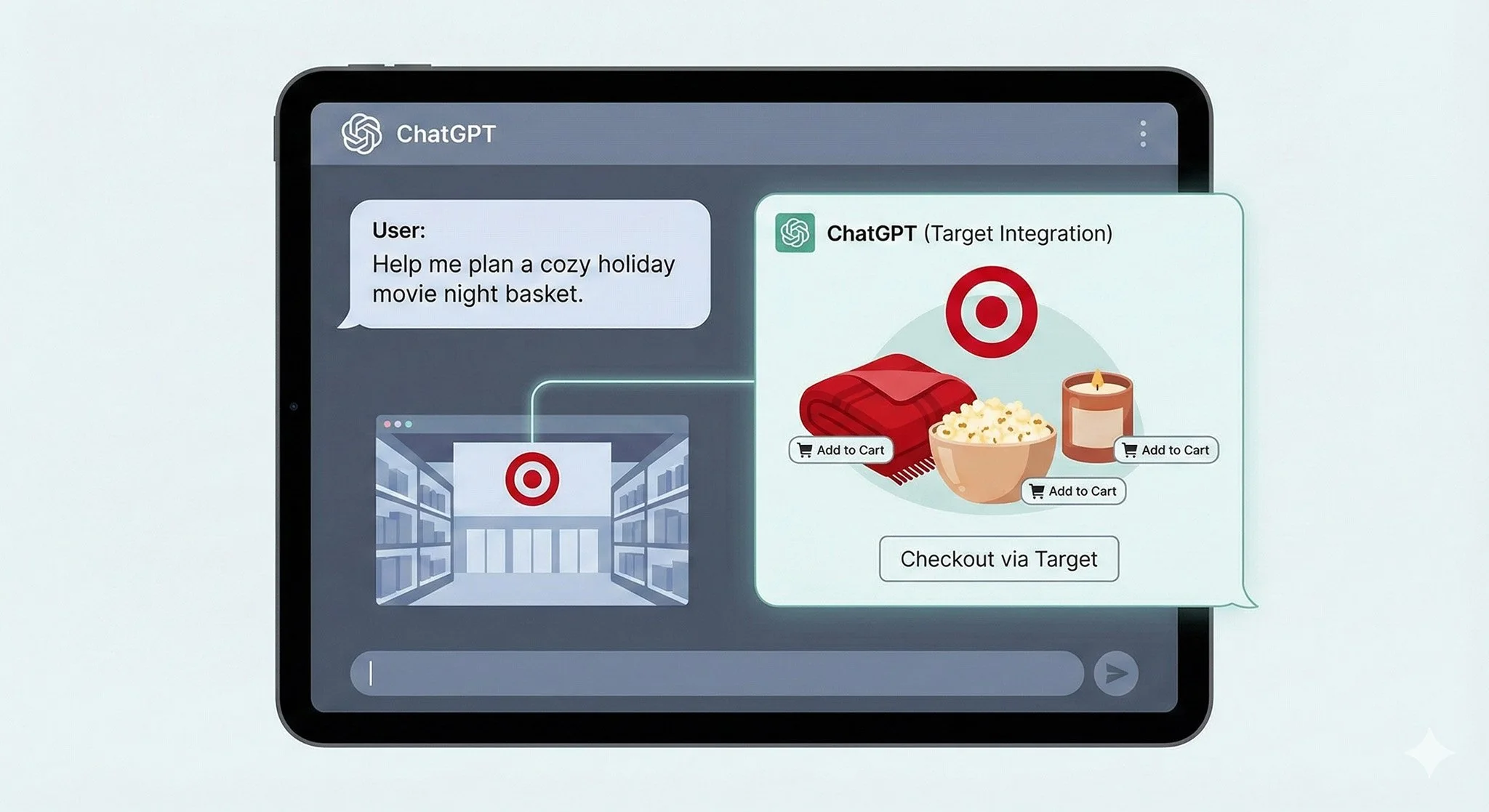
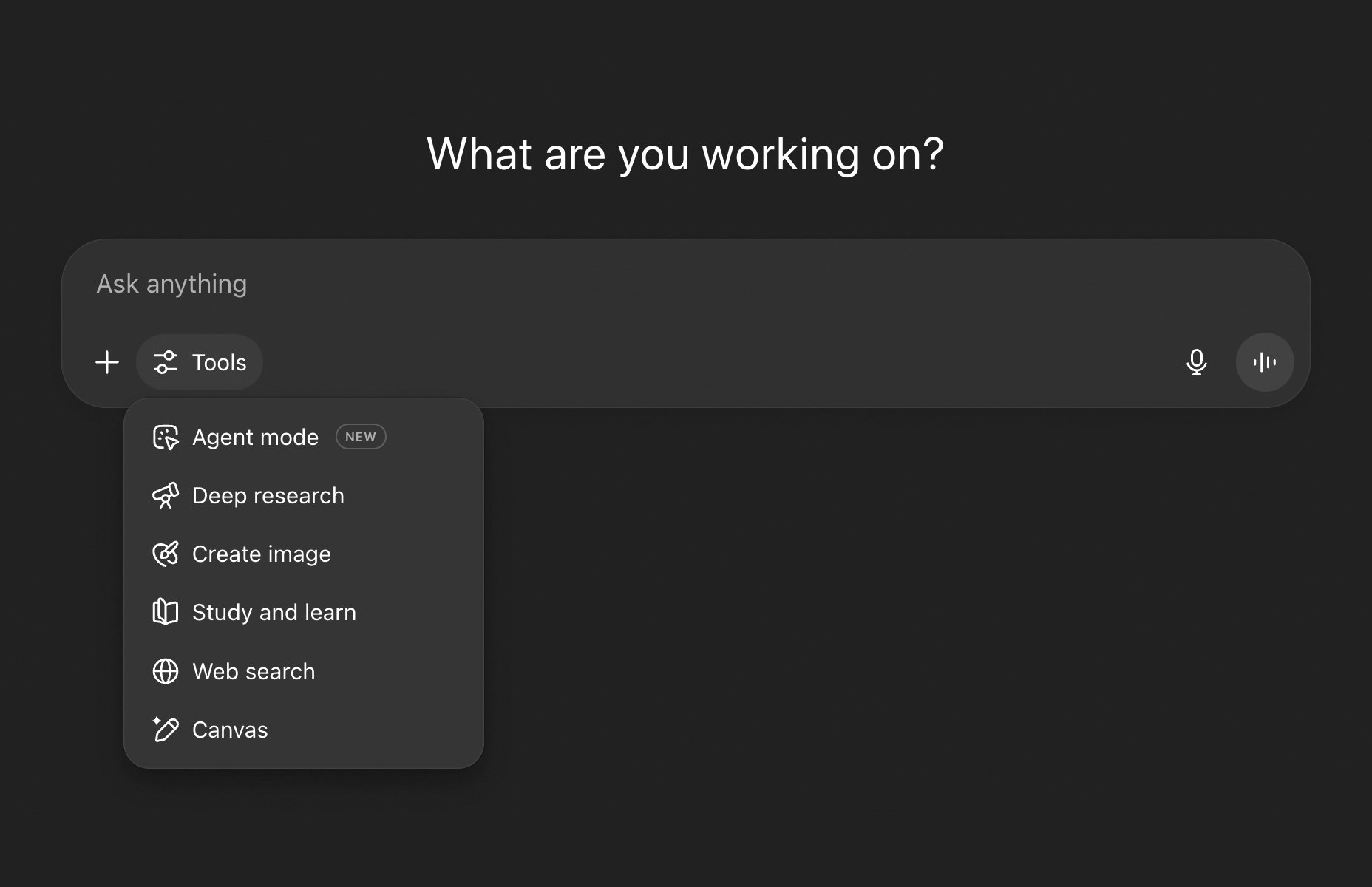
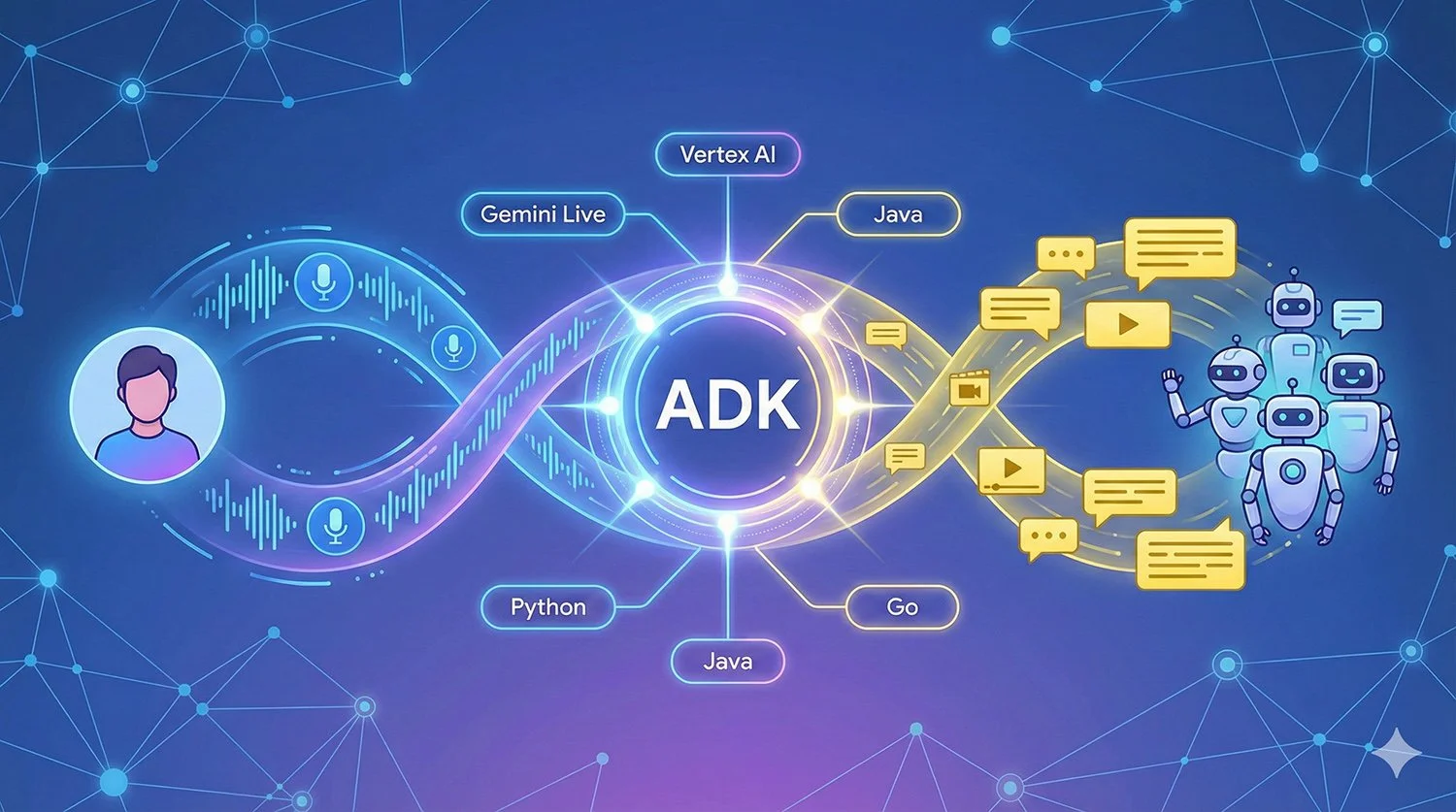
2025 has spotlighted AI focused SDK launches, particularly for agentic AI that autonomously executes tasks. OpenAI's App SDK, released in early October, links applications to ChatGPT for fluid interactions, while AgentKit eases multi step agent creation for routines like analysis or coordination. Google's Agent Development Kit, rolled out via Android Studio updates last week, adds agent mode for contextual code aids and API upgrades.
Vercel's AI SDK 6 beta introduces a refined language model spec for agent tool calling, easing prior compatibility issues. These refinements respond to developer input on workflow snags, including frustrations with near complete AI outputs requiring tweaks. Australia's AI startup funding hit a record 11.7 billion dollars this year, fuelling local adoption of such kits amid 470 venture backed ventures.















Broader Ripples: Innovation Boosted, But Challenges Linger
By providing reusable elements for tasks like optimisation and error management, SDKs substantially shorten AI project cycles, with many developers reporting 30 to 60 per cent reductions in coding, testing and documentation time. This has accelerated advances in areas from self driving tech, powered by NVIDIA's CUDA for accelerated training, to collaborative learning in sensitive domains like medicine. On the economic front, the International Monetary Fund projects AI could lift global GDP by about 0.5 per cent annually through 2030, via productivity gains in knowledge intensive roles.
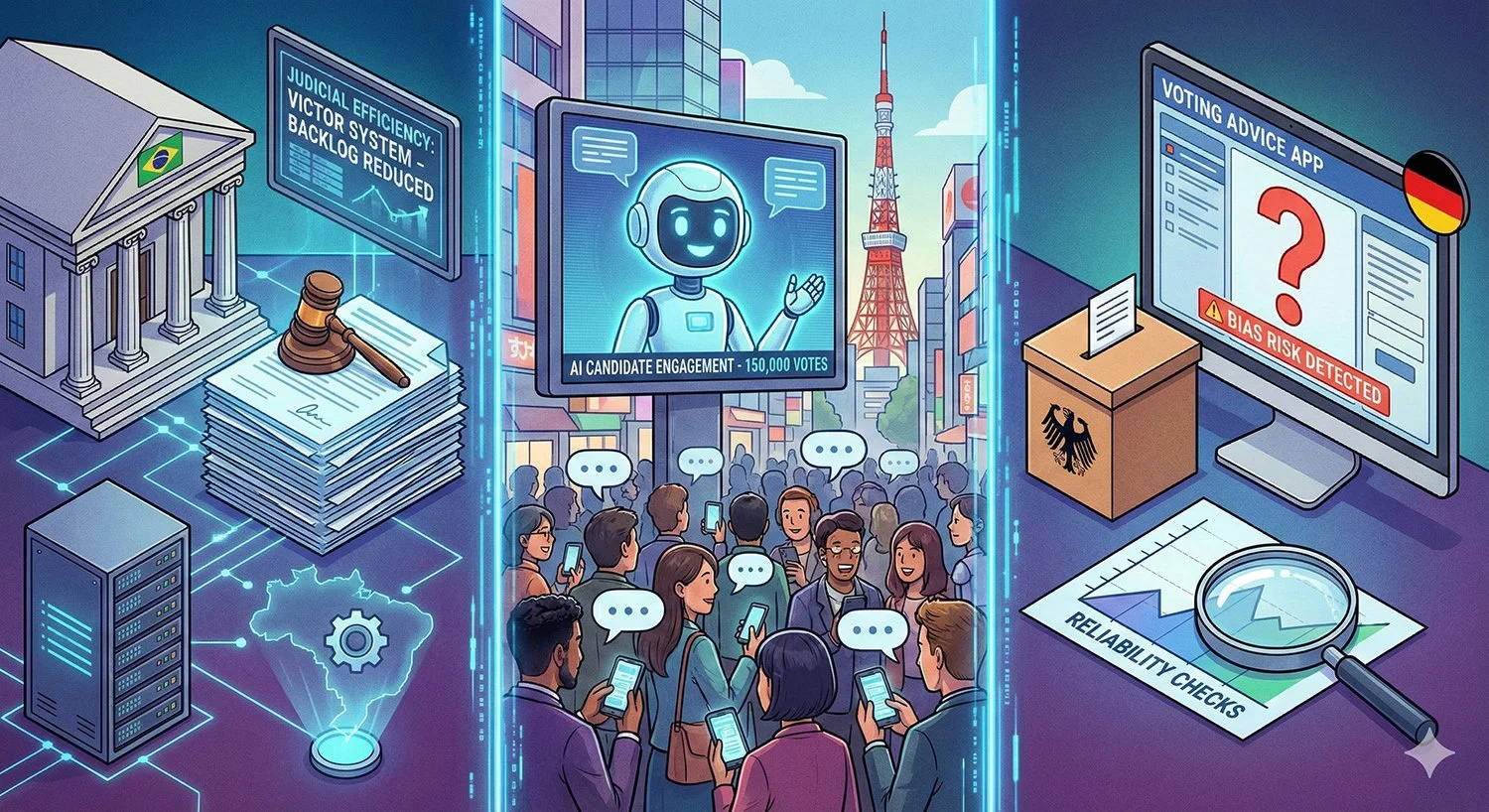
That said, SDKs introduce risks, including unpatched flaws or unclear data paths that heighten security and privacy concerns in embedded systems. Recent scans highlight widespread tracking elements in mobile apps, amplifying calls for vigilant dependency reviews. Upkeep remains a drag, as evolving models demand ongoing adaptations, pulling resources from fresh ideas. In response, transparency and oversight for AI systems are intensifying in the European Union and Australia, stressing bias checks and audit mechanisms to protect users.


























Looking Ahead: Agents, Edges, and Ethical Guardrails
Into 2026, SDKs will emphasise agentic designs, enabling AI to orchestrate independent actions, as in frameworks like LangChain and CrewAI. Edge computing will surge, spurred by privacy mandates and efficiency needs, with Qualcomm advancing lightweight inference kits for mobiles. Expect hybrid models, where open source from Meta and Hugging Face competes with closed offerings from Microsoft and AWS, possibly spurring standards bodies to unify protocols.
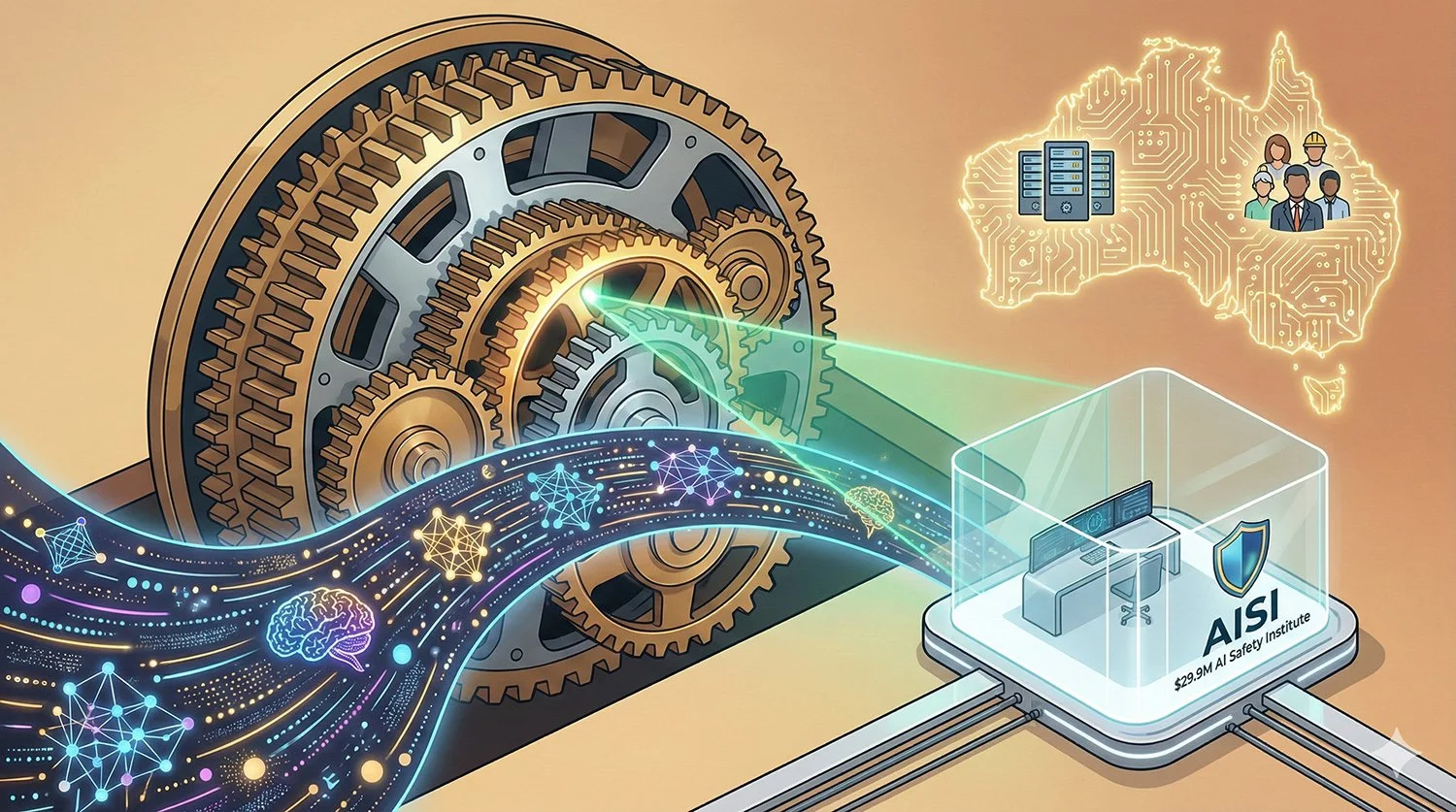
Australian developers stand to gain from national pushes on responsible AI, including October 2025 guidance mandating bias evaluation and human oversight in public tools, fostering equitable growth. In essence, SDKs will continue as AI's steadfast builders, harmonising speed with safeguards to shape a more inclusive digital future.


































 TheDayAfterAI News
We are a leading AI-focused digital news platform, combining AI-generated reporting with human editorial oversight. By aggregating and synthesizing the latest developments in AI — spanning innovation, technology, ethics, policy and business — we deliver timely, accurate and thought-provoking content.